
Rosetta Stone, Babbel, and Duolingo offer different approaches to learning a new language, so the right choice depends on how you prefer to learn and how much you want to spend.
This comparison covers their pricing, learning methods, features, and available languages to help you decide which platform fits your goals.
Rosetta Stone vs Babbel vs Duolingo Overview
Here’s a quick Rosetta Stone vs Babbel vs Duolingo overview showing which platform stands out for different language-learning needs.
| Category | Winner | Why It Wins |
|---|---|---|
| Best for Beginners | Duolingo | Free access, gamified lessons, and daily practice make it easy to get started. |
| Best for Grammar | Babbel | Explains grammar clearly through practical, real-life conversations. |
| Best for Pronunciation | Rosetta Stone | TruAccent® provides real-time pronunciation feedback during speaking exercises. |
| Best for Immersive Learning | Rosetta Stone | Uses images, audio, and context to help learners understand the language without direct translation. |
| Best Overall App (2026) | Rosetta Stone | Combines structured lessons, pronunciation practice, immersive learning, and access to multiple languages. |
What Is Rosetta Stone?
Rosetta Stone is a long-established language-learning platform that uses an immersive teaching approach.
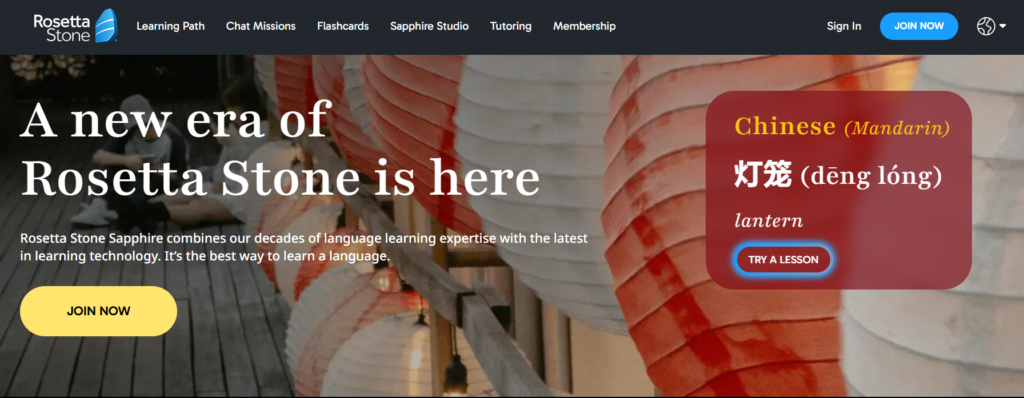
Instead of relying on direct translation, it combines images, audio, and interactive exercises to help you understand and use a new language naturally.
Rosetta Stone’s Language Learning Method
Rosetta Stone uses an immersive learning method that helps you connect new words and phrases with their meaning instead of depending on direct translations.
Lessons combine images, spoken audio, and contextual exercises, allowing you to build vocabulary and understand the language through repeated practice.
For example, rather than translating “apple” into another language, a lesson may show a picture of an apple while introducing the corresponding word and pronunciation.
Courses follow a structured learning path covering listening, reading, speaking, and vocabulary. Lessons gradually introduce new concepts and revisit earlier material to strengthen retention.
Another key feature is TruAccent®, Rosetta Stone’s speech recognition technology. It provides pronunciation feedback as you speak, helping you identify areas that need improvement and practice more accurately.
The immersive approach may take some adjustment if you’re used to translation-based lessons, but it can help you connect words directly with their meanings over time.
Tip: Try the 3-day Rosetta Stone free trial before subscribing to see whether its learning method suits your goals.
You can also use the latest 45% Off Rosetta Stone promo code to save on your subscription.
Who Is Rosetta Stone Best For?
Rosetta Stone is a great choice for:
- Visual learners who prefer learning through images instead of translations.
- Professionals preparing for relocation, international work, or cross-cultural communication.
- Schools and businesses that need structured language training with progress tracking.
- Learners focused on pronunciation and long-term language retention through immersive practice.
If you’re willing to learn through immersion rather than direct translation, Rosetta Stone provides an effective way to build vocabulary, improve pronunciation, and develop real-world language skills over time.
What Is Babbel?
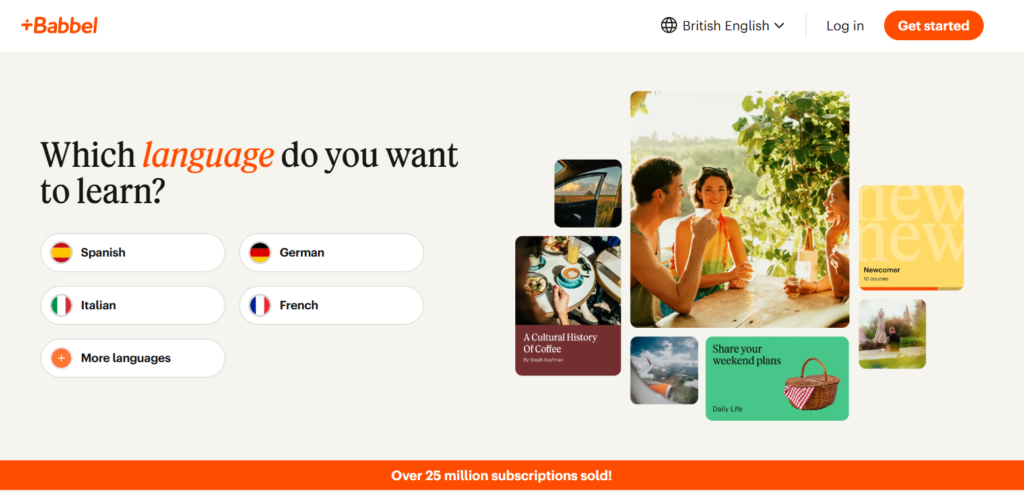
Babbel uses a structured, conversation-focused approach to language learning. Its short lessons combine grammar, vocabulary, and practical dialogues to help learners build skills for everyday communication.
Babbel’s Language Learning Method
Babbel uses a structured learning path that guides you from beginner to advanced through short, practical lessons.
Most sessions take around 10 to 15 minutes, making it easy to fit language practice into your daily routine.
Each lesson combines:
- Listening and speaking exercises
- Grammar practice
- Vocabulary review
- Real-life conversations
Unlike many language apps, Babbel introduces grammar naturally within each lesson instead of teaching long grammar rules separately.
This helps you understand sentence structure while staying focused on real conversations.
The platform also uses spaced repetition to reinforce vocabulary and offers review sessions, games, and podcasts to improve retention and keep learning engaging.
Overall, Babbel provides a balanced approach that combines vocabulary, grammar, pronunciation, and conversation practice, making it a strong choice for learners who want practical language skills.
Who Is Babbel Best For?
Babbel is a good fit for:
- Busy adults looking for short, structured lessons.
- Learners who want grammar explanations alongside vocabulary practice.
- Travelers and professionals who need practical conversational skills.
- Users who prefer a guided learning path with measurable progress.
If you want a language app that combines structured lessons with grammar and conversation practice, Babbel is a practical option.
What Is Duolingo?
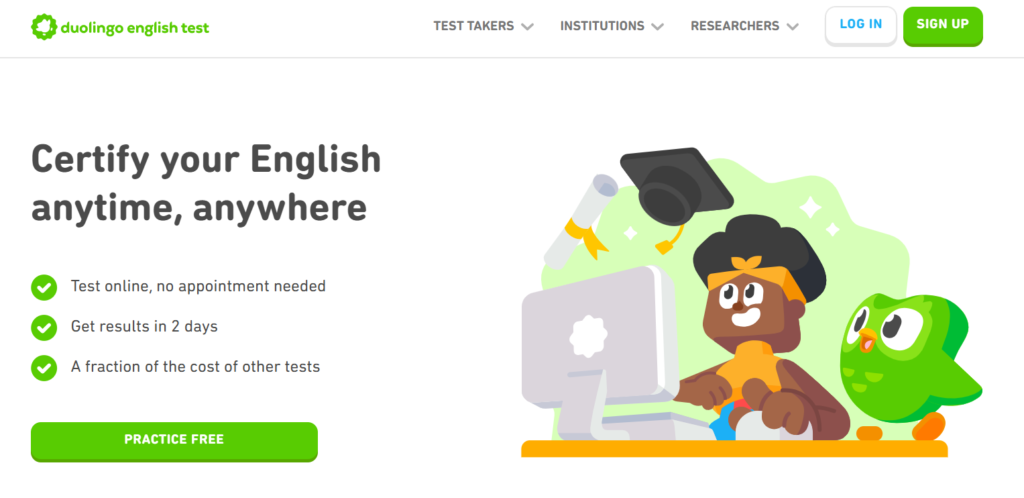
Duolingo is a language-learning app known for its gamified lessons and free access. Its short, interactive exercises help users practice vocabulary, grammar, listening, and speaking through daily learning sessions.
Duolingo’s Language Learning Method
Duolingo uses a gamified approach that makes language learning feel like a series of short, interactive challenges. Learners move through a structured path that gradually introduces new vocabulary and skills.
Most lessons take 3 to 5 minutes and include:
- Vocabulary practice
- Listening exercises
- Translation activities
- Basic speaking practice
To encourage daily learning, Duolingo uses XP, streaks, gems, and leaderboards that reward consistent practice.
Compared with Rosetta Stone and Babbel, Duolingo relies more on repetition and bite-sized exercises than detailed grammar instruction or extended conversation practice.
It includes speaking activities, but its pronunciation feedback is less specialized than Rosetta Stone’s TruAccent® system.
Its free access and short lesson format make Duolingo a practical choice for beginners and casual learners who want to build a regular language-learning habit.
Who Is Duolingo Best For?
Duolingo is a good choice for:
- Beginners learning a new language for the first time.
- Students and casual learners who want a free language-learning app.
- Users who are building a daily study routine with short lessons.
- Mobile learners who enjoy game-style learning and progress tracking.
- Anyone looking for a simple way to practice vocabulary and basic phrases.
If you prefer short, interactive lessons and want to build a consistent learning habit, Duolingo is a practical option.
A major difference in Rosetta Stone vs. Babbel vs. Duolingo is the number of languages each platform offers.
What Languages Are Available On Babbel, Rosetta Stone, And Duolingo?
- Rosetta Stone: Offers 25+ languages, including Spanish, French, German, Italian, Arabic, Mandarin, Japanese, and Korean. Course depth varies by language.
- Babbel: Offers 14 languages, including Spanish, French, German, Italian, Portuguese, and Dutch, with a focus on practical conversations and structured grammar.
- Duolingo: Offers 30+ languages, including Irish, Welsh, and fictional options such as Klingon and High Valyrian. Lesson depth varies across courses.
Insight: Duolingo offers the widest range of language options, while Rosetta Stone provides a strong selection of major languages with an immersive learning approach. Babbel has fewer languages but focuses heavily on practical communication and grammar.
What Are The Costs Of Rosetta Stone, Babbel, and Duolingo?
In this Rosetta Stone vs. Babbel vs. Duolingo comparison, we’ll compare pricing, features, and learning methods to help you choose the best language-learning app.
1. Rosetta Stone Pricing
Rosetta Stone offers monthly, annual, and Lifetime plans for individual learners, along with custom pricing for businesses and institutions.
| Rosetta Stone Plan | Price | What You Get |
|---|---|---|
| Monthly | $19.99/month | Access to 25 languages with mobile and desktop learning |
| Yearly | $13.25/month ($159/year) | Access to 25 languages at a lower annual rate |
| Lifetime | Varies by promotion | One-time access to 25+ languages |
| Enterprise | Custom pricing | Language training and tools for organizations |
Current pricing lists the monthly plan at $19.99/month and the yearly plan at $159/year. Lifetime pricing varies based on active promotions and seasonal sales.
Rosetta Stone also runs seasonal sales, including Black Friday promotions, and lets you save up to 80% on individual plans and more.
2. Babbel Pricing
Babbel offers flexible subscription plans for individual learners, plus live classes and business solutions.
| Babbel Plan | Babbel Price | What You Get |
|---|---|---|
| 1-Month Plan | $13.95/month | Access to one selected language |
| 3-Month Plan | $9.95/month (billed $29.85) | Full course access for one language |
| 12-Month Plan | $6.95-$8.95/month (billed annually $83-$107) | Complete lessons, grammar tips, review manager |
| Babbel Live | $50–$99/month | Live online classes with certified tutors |
| Business Plan | Custom pricing | Team management tools, progress tracking, and an admin dashboard |
Babbel focuses on structured grammar and real-life conversation. Longer plans reduce the monthly cost significantly.
3. Duolingo Pricing
Duolingo provides a strong free option along with paid upgrades.
| Duolingo Plan | Duolingo Price | What You Get |
|---|---|---|
| Free Plan | $0 | Full lessons with ads, limited hearts system |
| Super Duolingo | $12–$13/month | Ad-free experience, offline lessons, unlimited hearts |
| Family Plan | $120/year | Up to 6 user profiles under one subscription |
| Duolingo for Schools | Free | Classroom tracking tools for teachers |
Duolingo remains the most accessible option because it offers a completely free plan, while paid upgrades mainly improve convenience and remove ads.
What Special Features Do Rosetta Stone, Babbel, & Duolingo Offer?
I created a detailed comparison of the three leading language-learning platforms to help you see the differences clearly.
| Feature | Rosetta Stone | Babbel | Duolingo |
|---|---|---|---|
| Learning Style | Uses full immersion with images and zero native-language translation. | Teaches through structured dialogues with built-in grammar explanations. | Gamifies learning with XP, streaks, levels, and rewards. |
| Pronunciation Tools | Uses TruAccent speech recognition to analyse pronunciation in real time. | Offers speech practice plus Babbel Live tutor-led classes. | Uses basic voice recognition for speaking exercises. |
| Lesson Length | 10-15 minute structured lessons. | 10-15 minute practical conversation lessons. | 3–5 minute micro-lessons. |
| Course Structure | Uses TruAccent™ speech recognition to analyse pronunciation in real time. | Structured courses with spaced repetition review. | Linear “learning path” system with adaptive difficulty. |
| Languages Offered | 25+ languages. | 14 languages (mainly European). | 30+ languages, including rare and fictional ones. |
| Extra Features | Offline access, multi-device sync, lifetime plan option. | Leaderboards, leagues, streak tracking, and Duolingo for Schools. | Organised into ~20 units per language with progressive difficulty. |
What Are The Pros And Cons Of Each App?
Looking at the pros and cons makes the Rosetta Stone vs. Babbel vs. Duolingo comparison much easier.
Rosetta Stone
| Pros | Cons |
|---|---|
| Excellent speech feedback system. | Lacks direct grammar instruction. |
| Short, structured lessons with strong visuals. | Can feel repetitive due to image-heavy lessons. |
| Immersion builds natural comprehension. | Steeper learning curve for total beginners. |
| Affordable lifetime plan during sales. | – |
Babbel
| Pros | Cons |
|---|---|
| Lessons hit the perfect 15-minute balance. | Limited to 14 languages. |
| Rich grammar integration without overcomplication. | Advanced lessons focus on niche topics. |
| Affordable pricing with a solid learning structure. | Speaking features are decent, not perfect. |
| Variety keeps lessons engaging. | – |
Duolingo
| Pros | Cons |
|---|---|
| Free plan with generous access. | Repetitive drills at higher levels. |
| Extremely fun and addictive to use. | Poor grammar depth. |
| Excellent for vocabulary retention. | Weak speaking and listening accuracy. |
| Great starting point for new learners. | _ |
Choose the platform that matches your goal, commit to consistent daily practice, and you will see real progress regardless of which app you start with.
Final Thought: Rosetta Stone vs Duolingo vs Babbel
After comparing Rosetta Stone vs. Babbel vs. Duolingo, it’s clear that each platform serves a different type of learner.
- Choose Rosetta Stone if you want immersion, strong pronunciation training, and long-term fluency.
- Choose Babbel if you want structured grammar and practical conversation skills.
- Choose Duolingo if you want a free, fun way to build a daily learning habit.
After testing all three platforms, Babbel stands out as the most balanced option in 2026. It combines affordability, structured lessons, and real-world conversation practice in one platform.
If you are just starting, build your consistency with Duolingo. When you feel ready to invest seriously in fluency, switch to Babbel or Rosetta Stone for deeper learning.
Frequently Asked Questions
Will I Become Fluent With Rosetta Stone?
Rosetta Stone helps you build vocabulary, pronunciation, and listening skills, but achieving fluency also requires regular practice, real conversations, and continued exposure to the language.
Is Babbel, Duolingo, or Rosetta Stone better?
The best language-learning app depends on your goals. Rosetta Stone is a strong choice for immersive learning and pronunciation; Babbel suits learners who prefer structured grammar and practical conversations, while Duolingo works well for beginners looking for free, gamified lessons and daily practice.
